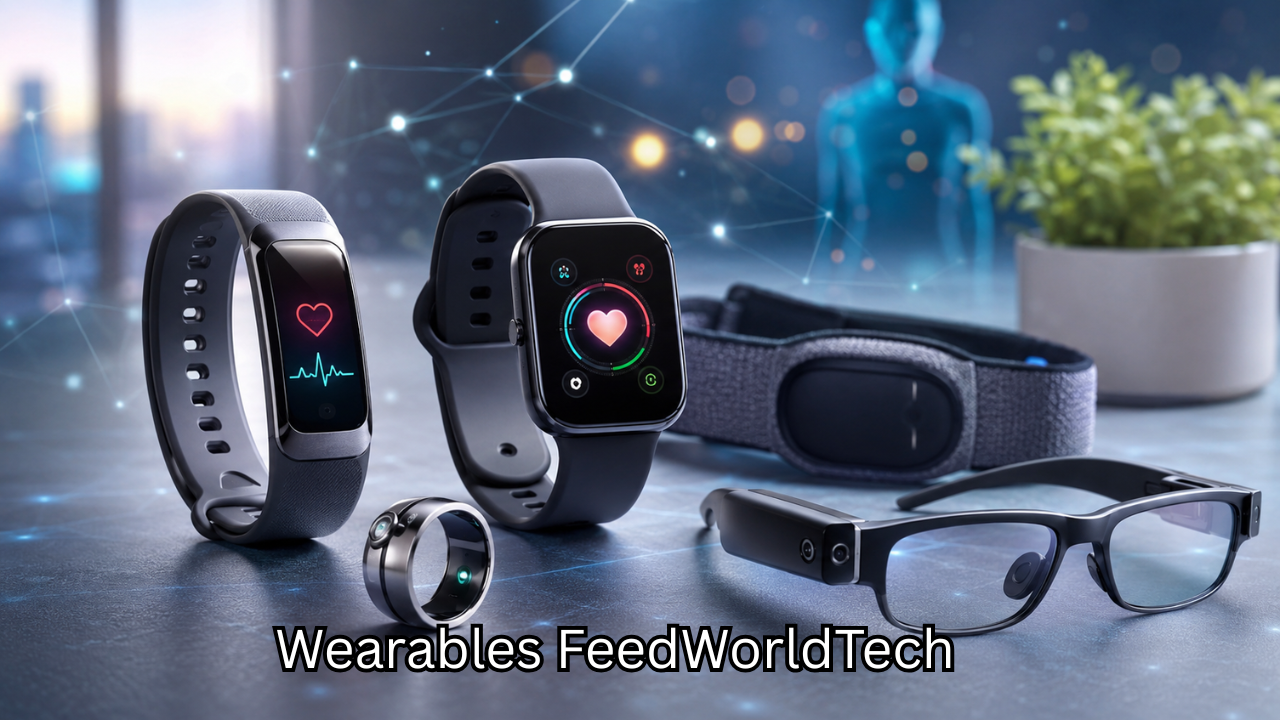
Wearable technology has rapidly evolved from simple fitness trackers into advanced devices that help people monitor health, improve productivity, stay connected, and even enhance personal safety. As interest in wearables feedworldtech continues to grow, more users are searching for reliable information about how wearable devices work, their benefits, and what the future holds.
Whether you’re considering your first smartwatch or you’re curious about the latest innovations in wearable technology, this guide covers everything you need to know. You’ll discover different types of wearable devices, their practical uses, advantages, limitations, and emerging trends shaping the future.
What Is Wearables FeedWorldTech?
The term wearables feedworldtech refers to discussions, updates, and insights surrounding wearable technology within the broader technology landscape. Wearables are electronic devices designed to be worn on the body while collecting useful data or providing convenient digital features.
Unlike traditional gadgets that stay in your pocket or on a desk, wearable devices remain with you throughout the day, making them ideal for real-time monitoring and instant access to information.
Common wearable technologies include:
- Smartwatches
- Fitness trackers
- Smart rings
- Smart glasses
- Health monitoring devices
- GPS wearables
- Wearable medical sensors
- Smart clothing
These devices combine sensors, wireless connectivity, and intelligent software to provide useful information throughout daily life.
Why Wearable Technology Is Growing So Quickly
Several factors have contributed to the rapid adoption of wearable technology around the world.
People are becoming more health-conscious and want access to personal health data at any time. At the same time, improvements in sensors, battery life, and artificial intelligence have made wearable devices far more useful than earlier generations.
Today’s wearables offer features that once required multiple separate devices.
Some major reasons behind this growth include:
- Increased focus on preventive healthcare
- Better smartphone integration
- Improved battery performance
- More accurate health sensors
- Remote patient monitoring
- Growing interest in fitness
- Contactless payment capabilities
- Convenience and portability
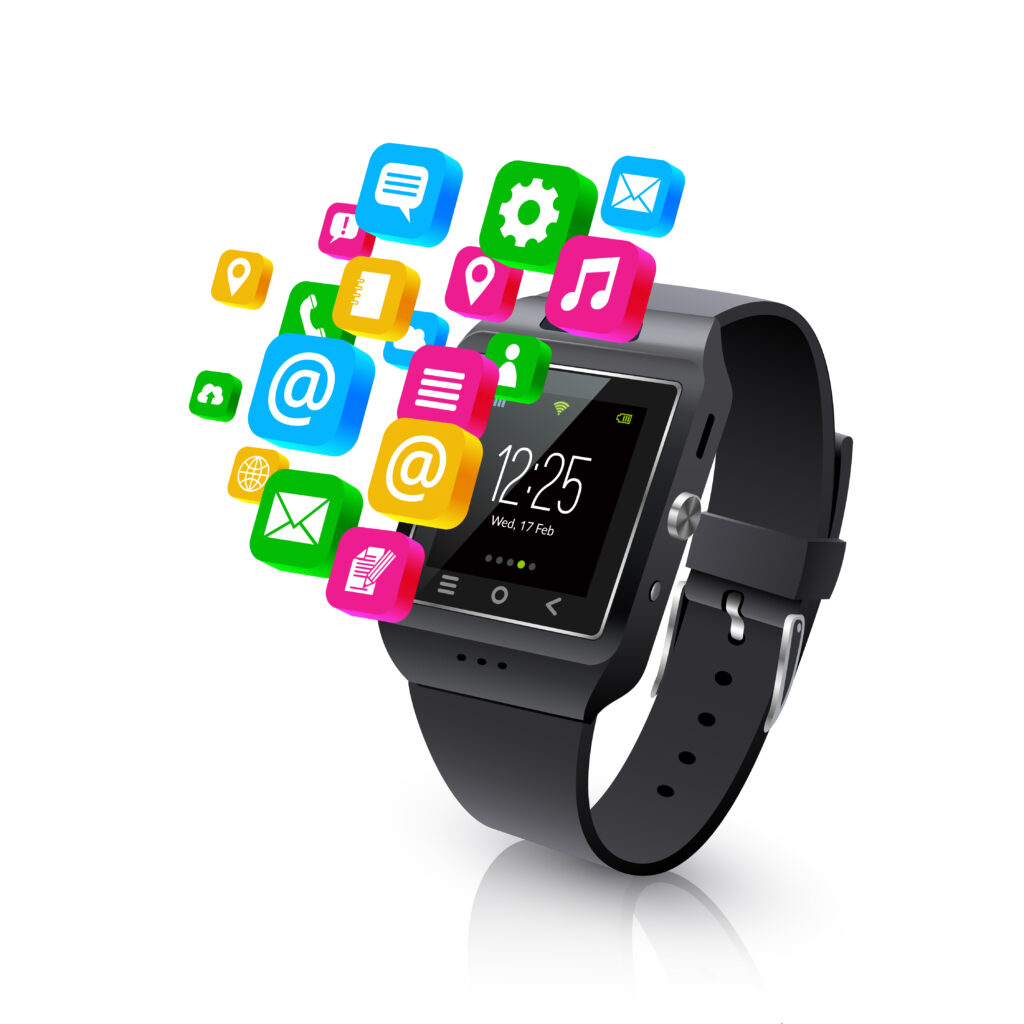
Types of Wearable Devices
Understanding the available categories helps users choose the right wearable for their needs.
| Wearable Type | Primary Purpose | Common Features |
|---|---|---|
| Smartwatch | Daily connectivity | Calls, notifications, fitness tracking |
| Fitness Tracker | Activity monitoring | Step counting, calories, heart rate |
| Smart Ring | Compact health tracking | Sleep monitoring, heart rate |
| Smart Glasses | Hands-free digital access | Navigation, camera, AR features |
| Medical Wearables | Health monitoring | Blood oxygen, ECG, glucose monitoring |
| Smart Clothing | Performance tracking | Body temperature, posture, movement |
Each category serves different users depending on their lifestyle and goals.
Health Monitoring Has Become the Biggest Advantage
One of the most significant reasons people invest in wearable technology is health tracking.
Modern devices continuously collect valuable health information without interrupting daily activities.
Popular health features include:
- Heart rate monitoring
- Sleep analysis
- Blood oxygen measurement
- ECG monitoring
- Stress tracking
- Respiratory rate
- Activity tracking
- Menstrual cycle tracking
- Fall detection
- Emergency SOS features
Instead of replacing healthcare professionals, these tools provide useful insights that encourage healthier habits and help users notice unusual changes sooner.
Fitness Tracking for Every Lifestyle
Fitness tracking has expanded well beyond counting daily steps.
Many wearable devices now support various workout types, including:
- Walking
- Running
- Cycling
- Swimming
- Hiking
- Strength training
- Yoga
- HIIT workouts
- Rowing
- Indoor cardio
Advanced wearables automatically recognize many activities, making workout logging easier than ever.
Users can also monitor:
- Calories burned
- Distance traveled
- Active minutes
- Recovery time
- Training intensity
- VO₂ Max estimates
- Pace and speed
These metrics help users better understand their progress over time.
Smart Connectivity Throughout the Day
Wearables are no longer limited to health monitoring.
Today’s devices keep users connected without constantly checking their phones.
Common smart features include:
- Phone notifications
- Voice assistants
- Music control
- Weather updates
- Calendar reminders
- Contactless payments
- Navigation
- Quick message replies
- Camera controls
- Smartphone location tracking
These features improve convenience while reducing unnecessary phone usage.
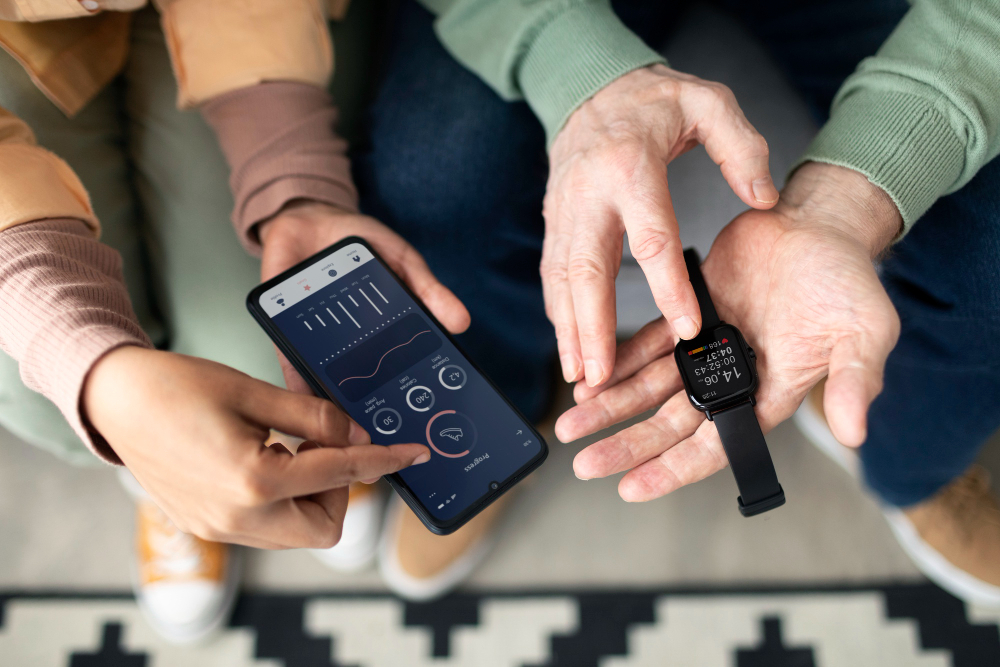
Wearable Technology in Healthcare
Healthcare is experiencing one of the biggest transformations through wearable devices.
Doctors increasingly use wearable-generated data to monitor patients remotely, especially those managing long-term conditions.
Examples include:
Remote Patient Monitoring
Wearable devices allow users to send health data to medical professionals, reducing the need for regular in-person appointments.
Chronic Disease Management
Wearables help monitor conditions such as:
- Heart disease
- Diabetes
- High blood pressure
- Sleep disorders
Elderly Care
Some devices detect falls and automatically notify emergency contacts if assistance may be needed.
This technology improves safety while allowing older adults to maintain greater independence.
Artificial Intelligence Makes Wearables Smarter
Artificial intelligence (AI) plays an important role in modern wearable technology.
Instead of simply collecting information, AI helps interpret health data and identify meaningful patterns.
Examples include:
- Personalized workout suggestions
- Sleep improvement recommendations
- Stress management insights
- Abnormal heart rhythm alerts
- Daily activity coaching
- Personalized recovery advice
As AI continues improving, wearable devices are expected to become even more personalized.
Battery Life and Performance Continue Improving
Earlier wearable devices often required daily charging.
Manufacturers have significantly improved battery efficiency through better processors and optimized software.
Many devices now offer:
- Multiple days of battery life
- Fast charging
- Power-saving modes
- Low-energy sensors
- Efficient wireless connectivity
Battery improvements make wearables more practical for everyday use.
Privacy and Data Security Considerations
Since wearable devices collect sensitive personal information, privacy remains an important concern.
Users should understand how their information is stored and shared.
Good security practices include:
- Enable two-factor authentication
- Use strong passwords
- Install software updates
- Review privacy settings
- Limit unnecessary app permissions
- Read data-sharing policies
Being informed helps users protect their personal information.
Challenges of Wearable Technology
Despite many advantages, wearable devices still face certain limitations.
Some common challenges include:
- Limited battery life on smaller devices
- Sensor accuracy can vary
- Premium models can be expensive
- Privacy concerns
- Dependence on smartphone connectivity
- Software compatibility issues
- Occasional false health alerts
Being aware of these drawbacks allows consumers to choose a wearable device that best matches their needs.
Future Trends in Wearables FeedWorldTech
The wearable technology industry continues evolving rapidly.
Several exciting innovations are expected over the coming years.
Smarter Health Sensors
Future devices may provide even more advanced monitoring capabilities with improved accuracy.
AI-Powered Personal Assistants
Wearables are expected to deliver increasingly personalized recommendations based on user habits and health patterns.
Flexible and Lightweight Designs
Manufacturers continue developing thinner, lighter, and more comfortable devices for all-day wear.
Better Battery Technology
Improved batteries may significantly reduce charging frequency.
Expanded Medical Applications
Future wearable devices could assist healthcare providers with earlier detection of various health conditions.
Augmented Reality Integration
Smart glasses may become more practical for navigation, workplace productivity, education, and entertainment.
Tips for Choosing the Right Wearable Device
Choosing the best wearable depends on your individual needs rather than simply buying the most expensive model.
Consider these factors before making a purchase:
- Define your primary purpose.
- Check battery life.
- Compare health tracking features.
- Ensure smartphone compatibility.
- Review water resistance ratings.
- Consider comfort for all-day use.
- Evaluate software updates.
- Compare warranty and customer support.
A little research can help you find a device that fits both your lifestyle and budget.
Frequently Asked Questions
What does wearables feedworldtech refer to?
The keyword generally relates to information, discussions, and updates about wearable technology, including smart devices used for health monitoring, communication, fitness, and productivity.
Are wearable devices accurate?
Modern wearable devices provide reasonably accurate information for everyday tracking. However, they should not replace professional medical equipment or healthcare advice.
Which wearable device is best for beginners?
A basic smartwatch or fitness tracker is usually the best starting point. These devices offer activity tracking, heart rate monitoring, sleep analysis, and smartphone notifications without overwhelming new users.
Can wearable technology improve health?
Wearables can encourage healthier habits by tracking exercise, sleep, heart rate, and other wellness metrics. They support better awareness but should complement, not replace, medical care.
Is wearable technology safe to use every day?
Yes. Most wearable devices are designed for daily use and meet established safety standards. Users should follow manufacturer instructions and keep device software updated for the best experience.
Final Thoughts
The growing interest in wearables feedworldtech reflects how wearable technology is becoming an essential part of everyday life. From fitness tracking and health monitoring to productivity and personal safety, wearable devices now offer far more than simple step counting.
As sensors become more accurate, artificial intelligence grows smarter, and battery technology improves, wearable devices will continue expanding their role in healthcare, fitness, education, and professional environments. Choosing the right wearable depends on your goals, budget, and preferred features, but for many people, these compact devices have already become valuable daily companions.
Whether you’re focused on improving your wellness, staying connected, or exploring the latest innovations, wearable technology is likely to play an even greater role in the years ahead
Also Read: LWMFCrafts Fun Crafts by LookWhatMomFound: Creative DIY Ideas for Families, Kids, and Craft Lovers



One thought on “Wearables FeedWorldTech: A Complete Guide to Smart Wearable Technology and Future Trends”
Comments are closed.