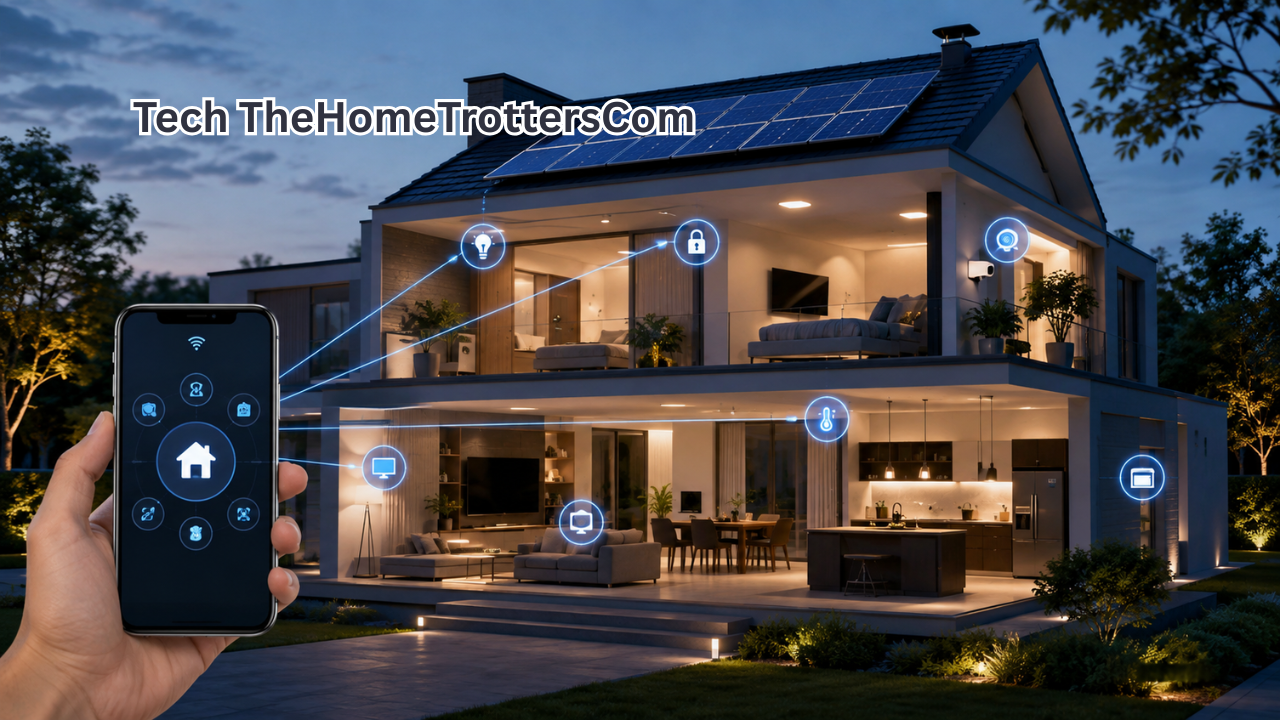
From daily routines to home management, technology continues to redefine how we interact with the spaces we live in. From voice-controlled lighting to energy-saving devices, smart home innovations have become more accessible than ever. If you’ve been searching for information about Tech TheHomeTrottersCom, you’re likely looking for practical insights into home technology, connected devices, and digital solutions that make everyday life easier.
This guide explores what Tech TheHomeTrottersCom represents, the latest smart home trends, useful gadgets, cybersecurity tips, and how homeowners can create a more efficient and connected living space. Whether you’re a beginner or a tech enthusiast, this article will help you understand how modern technology can improve your home.
What Is Tech TheHomeTrottersCom?
Tech TheHomeTrottersCom refers to technology-focused content centered around modern homes, smart living, digital lifestyle improvements, and innovative gadgets. It covers topics that help homeowners make informed decisions about integrating technology into their daily routines.
Rather than focusing only on expensive smart devices, the concept also includes practical solutions that improve comfort, convenience, safety, and energy efficiency.
Common areas include:
- Smart home automation
- Home security systems
- Energy-saving technology
- AI-powered household devices
- Home networking
- Smart entertainment systems
- Digital lifestyle tips
The goal is to help homeowners enjoy technology without unnecessary complexity.
Why Smart Home Technology Is Growing So Fast
Smart home technology has become increasingly popular because it offers convenience while reducing everyday effort.
Several factors are driving this growth:
- Affordable smart devices
- Faster Wi-Fi networks
- Better smartphone integration
- Voice assistants becoming more accurate
- Increased focus on energy efficiency
- Improved home security solutions
Today, even basic households can enjoy features that were once available only in luxury homes.
Key Benefits of Smart Home Technology
Modern smart technology provides advantages beyond simple automation.
Greater Convenience
Many household tasks can now be automated.
Examples include:
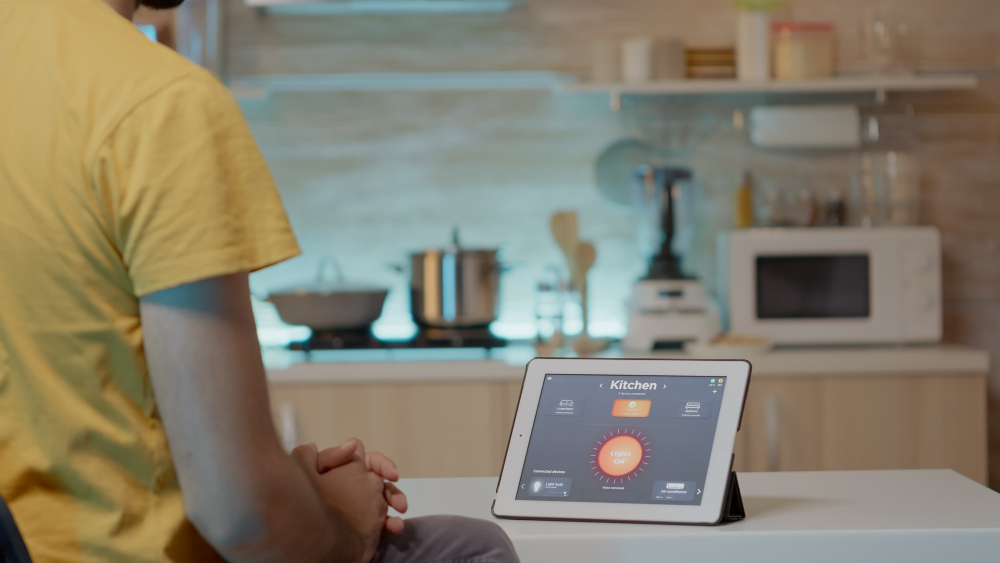
- Scheduling lights
- Controlling appliances remotely
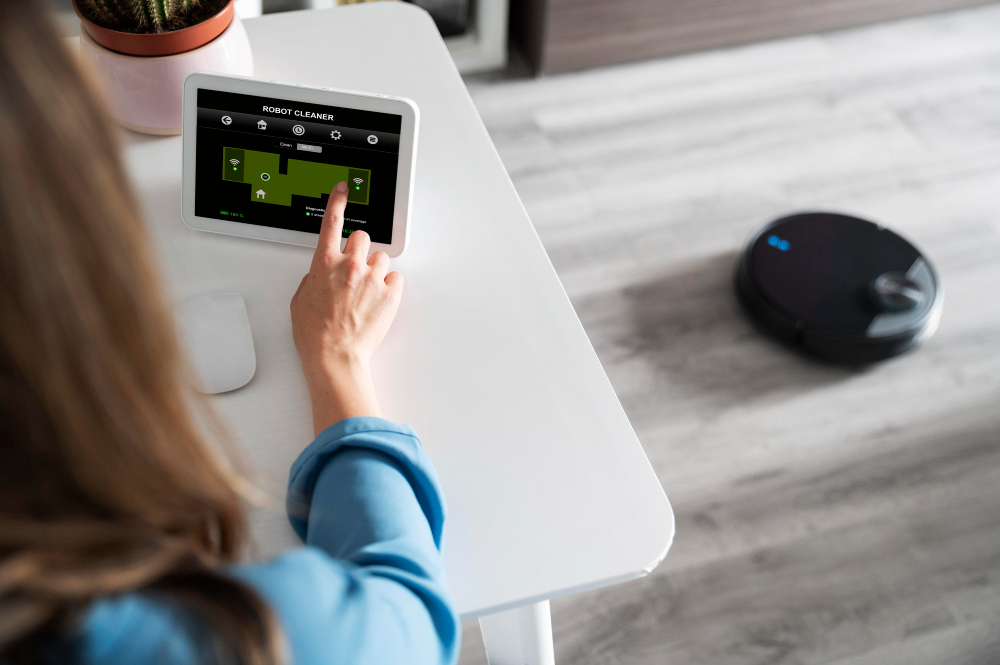
- Automatic vacuum cleaners
- Smart irrigation systems
- Voice-controlled entertainment
Adopting even a few smart solutions can make daily activities smoother and more productive.
Improved Energy Efficiency
Smart thermostats, intelligent lighting, and energy-monitoring plugs help reduce electricity consumption.
Benefits include:
- Lower utility bills
- Reduced energy waste
- Automatic scheduling
- Real-time energy monitoring
Enhanced Home Security
One of the strongest motivations for installing smart technology is the added protection it offers for homes and families.
Popular options include:
- Video doorbells
- Smart locks
- Motion detectors
- Security cameras
- Window and door sensors
Most systems allow homeowners to monitor their property directly from a smartphone.
Popular Smart Devices for Every Home
Here are some of the most useful categories of smart devices.
| Device Type | Primary Purpose | Main Benefit |
|---|---|---|
| Smart Speaker | Voice control | Hands-free assistance |
| Smart Thermostat | Temperature control | Energy savings |
| Smart Lights | Automated lighting | Convenience and efficiency |
| Smart Lock | Secure entry | Remote access |
| Security Camera | Home monitoring | Better protection |
| Robot Vacuum | Automated cleaning | Saves time |
| Smart Plug | Appliance control | Remote automation |
| Video Doorbell | Visitor monitoring | Improved security |
These devices can often work together as part of one connected ecosystem.
Building a Smart Home Step by Step
Many homeowners believe they need to automate everything immediately. In reality, starting small is usually the better approach.
Step 1: Improve Your Wi-Fi
A reliable wireless network is the foundation of every smart home.
Consider:
- Modern dual-band routers
- Mesh Wi-Fi systems
- Strong passwords
- Updated firmware
Without stable internet coverage, smart devices cannot perform effectively.
Step 2: Choose One Ecosystem
Selecting a single ecosystem simplifies device management.
Popular ecosystems include:
- Google Home
- Apple Home
- Amazon Alexa
Using compatible devices reduces setup issues and creates a smoother experience.
Step 3: Add Devices Gradually
Instead of buying everything at once, prioritize according to your needs.
For example:
- Smart lighting
- Smart speakers
- Security cameras
- Smart thermostat
- Smart locks
This approach is easier on your budget and gives you time to learn each system.

Home Automation Ideas Worth Trying
Automation can make everyday routines much easier.
Examples include:
- Lights turning on automatically at sunset
- Coffee maker starting before you wake up
- Thermostat adjusting when you leave home
- Doors locking automatically at night
- Security cameras activating when nobody is home
Small automations often have the biggest impact.
How Artificial Intelligence Is Transforming Smart Homes
Artificial Intelligence (AI) has significantly improved home technology.
AI-powered systems can:
- Learn user preferences
- Predict heating and cooling needs
- Recognize familiar faces
- Improve voice recognition
- Detect unusual activity
- Recommend energy-saving adjustments
As AI continues to evolve, homes are becoming increasingly personalized.
Smart Home Security Best Practices
Connected homes require good cybersecurity habits.
Follow these recommendations:
- Use strong, unique passwords.
- Enable two-factor authentication whenever available.
- Keep device software updated.
- Remove unused connected devices.
- Change default login credentials.
- Secure your home Wi-Fi network with strong encryption.
Simple security practices can greatly reduce digital risks.
Energy-Saving Technology for Modern Homes
Technology doesn’t just improve convenience—it also supports sustainability.
Popular energy-saving solutions include:
- Smart thermostats
- LED smart bulbs
- Smart blinds
- Solar monitoring systems
- Energy-monitoring outlets
- Automated irrigation systems
These technologies reduce unnecessary energy usage without sacrificing comfort.
Entertainment Technology at Home
Home entertainment has evolved dramatically over the past few years.
Popular technologies include:
- Smart TVs
- Streaming devices
- Multi-room speakers
- Wireless surround sound
- Voice-controlled media systems
- Gaming consoles with cloud connectivity
These devices create an immersive entertainment experience for the entire family.
Common Mistakes to Avoid
Many first-time smart home users encounter avoidable problems.
Avoid these common mistakes:
- Buying incompatible devices
- Ignoring software updates
- Weak Wi-Fi coverage
- Using default passwords
- Purchasing unnecessary gadgets
- Overcomplicating automation
A well-planned smart home is usually more reliable than one filled with random devices.
Future Trends in Home Technology
The future of smart homes looks promising.
Emerging trends include:
- AI-powered personal assistants
- Matter-compatible smart devices
- Advanced home robotics
- Predictive maintenance systems
- Smarter energy management
- Improved health-monitoring technology
- Edge AI for faster processing
- Sustainable connected homes
These innovations will continue making homes safer, more efficient, and easier to manage.
Why Tech TheHomeTrottersCom Matters
Technology changes rapidly, making it difficult to stay informed.
A resource focused on practical home technology helps readers:
- Discover useful innovations
- Compare smart devices
- Learn installation tips
- Improve home efficiency
- Enhance digital security
- Make smarter purchasing decisions
Instead of chasing every new gadget, homeowners can focus on technology that delivers genuine everyday value.
Frequently Asked Questions (FAQs)
1. What is Tech TheHomeTrottersCom?
It refers to technology-related content focused on smart homes, digital lifestyle improvements, connected devices, and practical home innovations.
2. Is smart home technology expensive?
Not necessarily. Many affordable smart devices, such as smart plugs, bulbs, and speakers, provide excellent value and can be expanded over time.
3. Which smart device should beginners buy first?
Smart lighting or a smart speaker is usually the easiest place to start because both are simple to install and provide immediate benefits.
4. Are smart homes secure?
They can be very secure when homeowners use strong passwords, enable two-factor authentication, update device software regularly, and protect their Wi-Fi network.
5. Can smart devices reduce electricity bills?
Yes. Smart thermostats, automated lighting, and energy-monitoring systems help reduce unnecessary power consumption and improve overall efficiency.
Final Thoughts
Tech TheHomeTrottersCom represents the growing intersection of home living and modern technology. Smart devices are no longer luxury items—they’re practical tools that improve convenience, security, comfort, and energy efficiency.
Whether you’re building your first smart home or upgrading an existing setup, the key is to start with reliable devices, prioritize compatibility, and expand gradually. By focusing on practical solutions rather than unnecessary gadgets, you can create a connected home that genuinely improves everyday life while remaining future-ready.
Also Read: Fun Craft ThunderOnTheGulf: Creative Coastal DIY Ideas for Families and Visitors