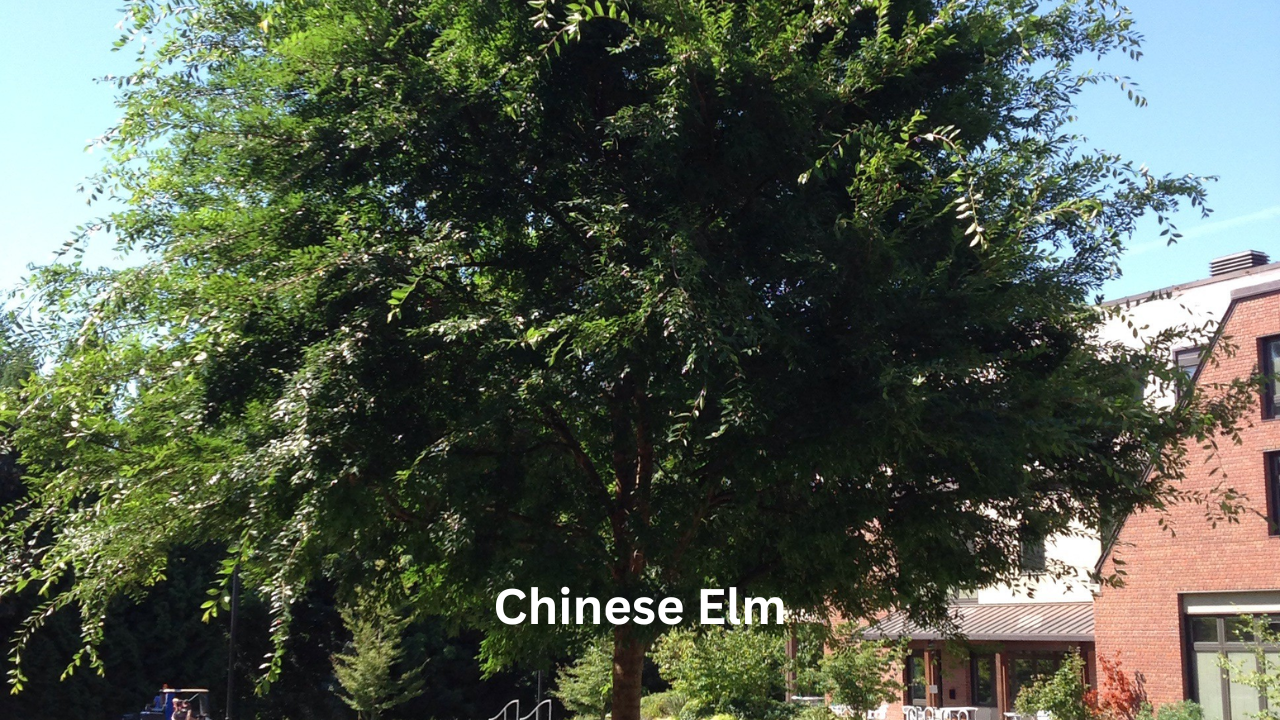
The Chinese elm is one of the most adaptable and attractive trees you can grow. Known for its graceful canopy, textured bark, and impressive tolerance to different climates, this tree has become a favorite among homeowners, landscapers, and bonsai enthusiasts alike.
Whether you’re looking for a hardy shade tree or a beautiful ornamental addition to your garden, the Chinese elm offers an excellent balance of beauty and resilience. It grows quickly, requires relatively little maintenance once established, and performs well in urban environments where many other trees struggle.
In this comprehensive guide, you’ll learn everything you need to know about growing, caring for, and maintaining a healthy Chinese elm.
What Is a Chinese Elm?
The Chinese elm (Ulmus parvifolia) is a deciduous or semi-evergreen tree native to China, Japan, Korea, and Vietnam. It belongs to the elm family and is admired for its elegant shape, small glossy leaves, and distinctive bark that peels away in patches, revealing shades of gray, green, orange, and brown.
Unlike many other elm species, the Chinese elm has excellent resistance to several devastating elm diseases, making it a dependable choice for residential landscapes.
As the tree matures, it develops a broad, rounded canopy that provides generous shade while maintaining an attractive appearance throughout the year.
Chinese Elm at a Glance
| Feature | Details |
|---|---|
| Common Name | Chinese Elm |
| Scientific Name | Ulmus parvifolia |
| Plant Type | Deciduous to semi-evergreen tree |
| Mature Height | 40–60 feet |
| Mature Width | 35–70 feet |
| Sunlight | Full sun |
| Soil Type | Well-drained soil |
| Water Needs | Moderate |
| Growth Rate | Moderate to fast |
| USDA Hardiness Zones | 5–9 |
| Main Uses | Shade tree, ornamental tree, bonsai |

Why Choose a Chinese Elm?
There are many reasons gardeners continue to choose the Chinese elm over other landscape trees.
Some of its biggest advantages include:
- Attractive peeling bark
- Excellent drought tolerance once established
- Fast growth during early years
- Strong resistance to Dutch elm disease
- Adaptability to many soil types
- Beautiful fall foliage
- Low maintenance requirements
- Long lifespan
These qualities make it suitable for parks, residential yards, streets, and commercial landscapes.
Growing Conditions for Chinese Elm
Providing the right growing environment helps your tree remain healthy for decades.
Sunlight
Chinese elm grows best in full sun. Ideally, it should receive at least six hours of direct sunlight each day.
Although it tolerates partial shade, trees planted in brighter locations generally develop stronger branches, denser foliage, and better overall health.
Soil Requirements
One reason Chinese elm is so popular is its adaptability to different soil conditions.
It grows successfully in:
- Sandy soil
- Clay soil
- Loamy soil
- Slightly acidic soil
- Neutral soil
- Slightly alkaline soil
The only essential requirement is good drainage. Constantly soggy soil may encourage root diseases.
Watering
Newly planted Chinese elm trees require regular watering until their root systems become firmly established, which usually takes about two years.
A simple watering routine includes:
- During the establishment period, irrigate the tree with plenty of water one to two times weekly to encourage deeper root growth.
- Reduce watering as roots establish.
- Mature trees usually tolerate short periods of drought.
- Water during extended dry spells.
Deep watering encourages stronger root development than frequent shallow watering.
How to Plant a Chinese Elm
Planting correctly gives your tree the best possible start.
Step 1
Choose a sunny location with enough room for the mature canopy.
Step 2
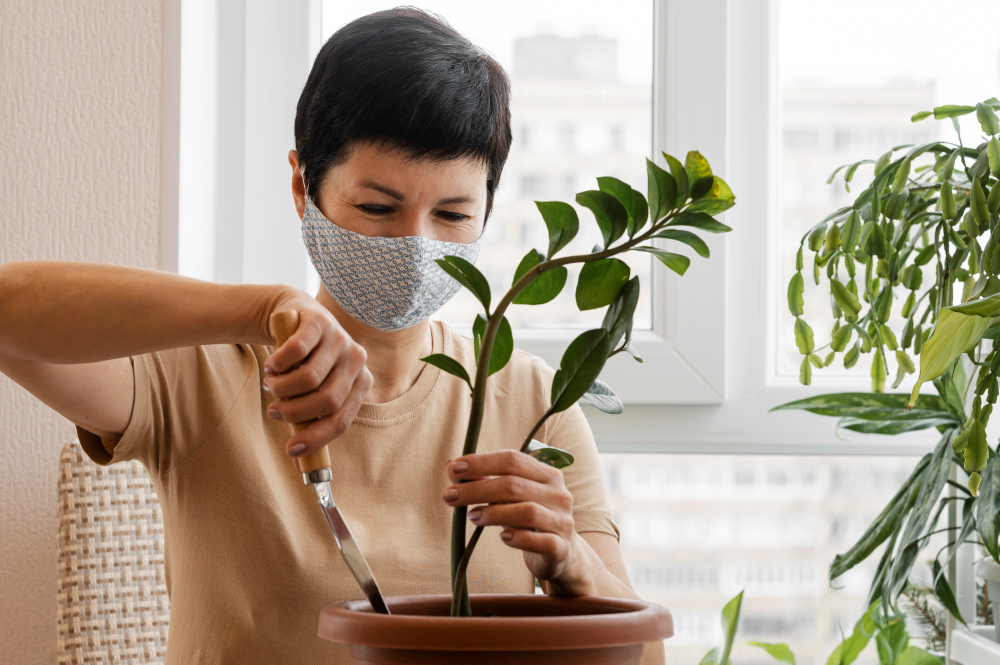
Dig a hole approximately twice as wide as the root ball but no deeper than the roots.
Step 3
Place the tree so the root flare sits slightly above ground level.
Step 4
Backfill using the original soil without adding excessive fertilizer.
Step 5
Water thoroughly after planting.
Step 6
Apply a layer of mulch around the base while keeping it several inches away from the trunk.
Chinese Elm Care Tips
Proper maintenance keeps your tree vigorous and attractive.
Fertilizing
Chinese elm usually doesn’t require heavy fertilization.
A balanced slow-release fertilizer applied during early spring is generally enough for healthy growth.
Avoid excessive nitrogen, which may produce weak, overly rapid growth.
Mulching
Mulch helps by:
- Conserving moisture
- Regulating soil temperature
- Reducing weed growth
- Improving soil quality over time
Organic mulch such as shredded bark or wood chips works particularly well.
Pruning
Regular pruning helps maintain structure and improves airflow.
Remove:
- Dead branches
- Broken limbs
- Crossing branches
- Diseased wood
Winter is often considered the best season for structural pruning while the tree is dormant.
Common Problems
Although Chinese elm is relatively hardy, it can occasionally face certain issues.
Pests
Common insect pests include:
- Aphids
- Scale insects
- Spider mites
- Elm leaf beetles
Most infestations remain manageable through proper tree care and early detection.
Diseases
Chinese elm shows impressive resistance to Dutch elm disease but can still develop problems under stressful conditions.
Possible diseases include:
- Powdery mildew
- Root rot
- Leaf spot
- Canker diseases
Maintaining proper watering practices and airflow greatly reduces disease risk.
Chinese Elm Growth Rate
Many gardeners choose the Chinese elm because it establishes itself quickly and produces noticeable growth within just a few seasons.
Young trees commonly grow between 1 and 3 feet per year under favorable conditions.
Growth speed depends on factors such as:
- Soil quality
- Sun exposure
- Water availability
- Climate
- Overall tree health
As the tree matures, growth naturally slows while the canopy becomes broader and denser.
Chinese Elm in Landscaping
Chinese elm fits beautifully into many landscape designs.
Popular uses include:
- Shade tree
- Street tree
- Front yard focal point
- Backyard specimen
- Public parks
- Commercial landscapes
- Large garden centerpiece
Its graceful branching and attractive bark provide year-round visual interest.
Chinese Elm as a Bonsai Tree
Among bonsai enthusiasts, the Chinese elm is widely appreciated for its reliability, attractive appearance, and ease of training.
Its naturally small leaves, flexible branches, and rapid recovery after pruning make it ideal for beginners and experienced growers alike.
Successful bonsai care includes:
- Regular pruning
- Careful root trimming
- Consistent watering
- Bright indirect or direct sunlight
- Occasional fertilization during active growth
With proper care, a Chinese elm bonsai can thrive for decades.
Seasonal Changes
One fascinating characteristic of the Chinese elm is its changing appearance throughout the year.
Spring
Fresh green leaves emerge, and new growth begins rapidly.
Summer
The canopy becomes dense, creating excellent shade.
Autumn
Leaves often turn shades of yellow, orange, or reddish-purple before falling.
Winter
After leaf drop, the tree’s striking mottled bark becomes the main visual attraction.

Benefits of Growing Chinese Elm
Growing a Chinese elm offers advantages beyond appearance.
These include:
- Increased property value
- Natural cooling from shade
- Improved air quality
- Wildlife habitat for birds
- Reduced soil erosion
- Wind protection
- Long-term landscape beauty
Because it adapts well to urban pollution, it remains an excellent city tree.
Tips for Healthy Long-Term Growth
For the healthiest tree possible, follow these simple practices:
- Plant in full sunlight.
- Water deeply during establishment.
- Avoid overwatering.
- Prune damaged branches annually.
- Keep mulch away from the trunk.
- Inspect for pests regularly.
- Avoid compacting soil around the roots.
- Provide adequate spacing from buildings.
Small maintenance efforts each year can greatly extend the tree’s lifespan.
Frequently Asked Questions
Is Chinese elm a fast-growing tree?
Yes. Chinese elm is considered a moderate to fast-growing tree and often adds 1–3 feet of new growth each year under ideal conditions.
Does Chinese elm lose its leaves?
In colder climates, Chinese elm is deciduous and drops its leaves during autumn. In warmer regions, it may remain semi-evergreen and keep many of its leaves through winter.
Is Chinese elm resistant to Dutch elm disease?
Yes. One of its biggest advantages is its strong natural resistance to Dutch elm disease, making it more reliable than many other elm species.
Can Chinese elm grow in clay soil?
Yes. Chinese elm adapts well to clay, sandy, and loamy soils as long as drainage is adequate and water does not remain around the roots.
Is Chinese elm suitable for bonsai?
Absolutely. Chinese elm is considered one of the best bonsai trees because it responds well to pruning, develops attractive branching, and has naturally small leaves.
Final Thoughts
The Chinese elm stands out as one of the most dependable and versatile landscape trees available today. Its attractive bark, elegant shape, rapid growth, and excellent adaptability make it suitable for a wide range of gardens and climates.
Whether you want a long-lasting shade tree, an ornamental feature for your yard, or a rewarding bonsai project, the Chinese elm delivers exceptional value with relatively little maintenance. By planting it in the right location, watering it properly during its early years, and performing occasional pruning, you can enjoy a healthy and beautiful tree that enhances your landscape for generations.

One thought on “Chinese Elm: Complete Care Guide, Benefits, Growing Tips, and Common Problems”
Comments are closed.