
Managing money doesn’t have to be confusing. Yet many people feel overwhelmed by financial jargon, investment terms, and budgeting strategies that seem designed for experts rather than everyday individuals. That’s where tips disfinancified comes in—a simple approach to understanding personal finance without unnecessary complexity.
Whether you’re trying to save more, reduce debt, improve your budget, or build long-term financial security, breaking financial concepts into easy, actionable steps can make all the difference. This guide shares practical tips disfinancified that anyone can follow, regardless of their financial experience.
What Does Tips Disfinancified Mean?
The phrase tips disfinancified refers to simplifying financial advice so it’s easier for everyone to understand and apply. Instead of focusing on complicated investment strategies or technical financial language, this approach emphasizes practical habits that improve financial well-being.
The goal isn’t to become a financial expert overnight. Instead, it’s about making smarter decisions one step at a time.
Some areas this approach covers include:
- Budgeting
- Saving money
- Reducing debt
- Smart spending
- Emergency planning
- Investing basics
- Financial goal setting
Why Simple Financial Advice Works
Many people delay improving their finances because they believe it’s too difficult.
In reality, most successful financial habits are surprisingly straightforward.
Simple financial strategies help you:
- Build confidence with money
- Avoid costly mistakes
- Create sustainable habits
- Reduce financial stress
- Make informed decisions
- Stay consistent over time
Small improvements often produce significant results when practiced consistently.
Create a Budget That Fits Your Lifestyle
A budget isn’t meant to restrict you. Instead, it’s a tool that helps you control where your money goes.
Start by tracking:
| Budget Category | Example Expenses |
|---|---|
| Housing | Rent, mortgage, utilities |
| Food | Groceries, dining out |
| Transportation | Fuel, public transit, maintenance |
| Savings | Emergency fund, retirement |
| Entertainment | Streaming services, hobbies |
| Miscellaneous | Clothing, gifts, subscriptions |
Review your spending monthly and look for areas where small adjustments can free up extra savings.

Build an Emergency Fund First
Unexpected expenses can happen at any time.
Medical bills, vehicle repairs, or temporary job loss become much easier to handle when you have emergency savings.
A practical goal is to:
- Save a small amount every paycheck.
- Keep emergency money separate from daily spending.
- Avoid using these funds for non-essential purchases.
Setting aside even a small financial cushion can make unexpected expenses much less stressful.
Spend With Purpose
Impulse purchases often prevent long-term financial growth.
Before buying something, ask yourself:
- Do I really need this?
- Can I wait 24 hours?
- Is there a more affordable alternative?
- Will I still value this purchase next month?
These simple questions encourage mindful spending rather than emotional buying.
Reduce Unnecessary Expenses
Cutting expenses doesn’t always mean sacrificing your lifestyle.
Instead, review recurring costs such as:
- Unused subscriptions
- Premium memberships
- Frequent takeaway meals
- High-interest loans
- Excessive online shopping
Redirecting these savings toward financial goals can produce noticeable improvements over time.
Set Clear Financial Goals
People are more likely to stay motivated when their goals are specific.
Examples include:
Short-Term Goals
- Save for a vacation.
- Build a $1,000 emergency fund.
- Pay off a credit card.
Medium-Term Goals
- Buy a reliable car.
- Complete higher education.
- Save for a home down payment.
Long-Term Goals
- Retirement planning
- Financial independence
- Investment portfolio growth
Put your financial goals in writing and revisit them regularly to measure your progress and stay motivated.
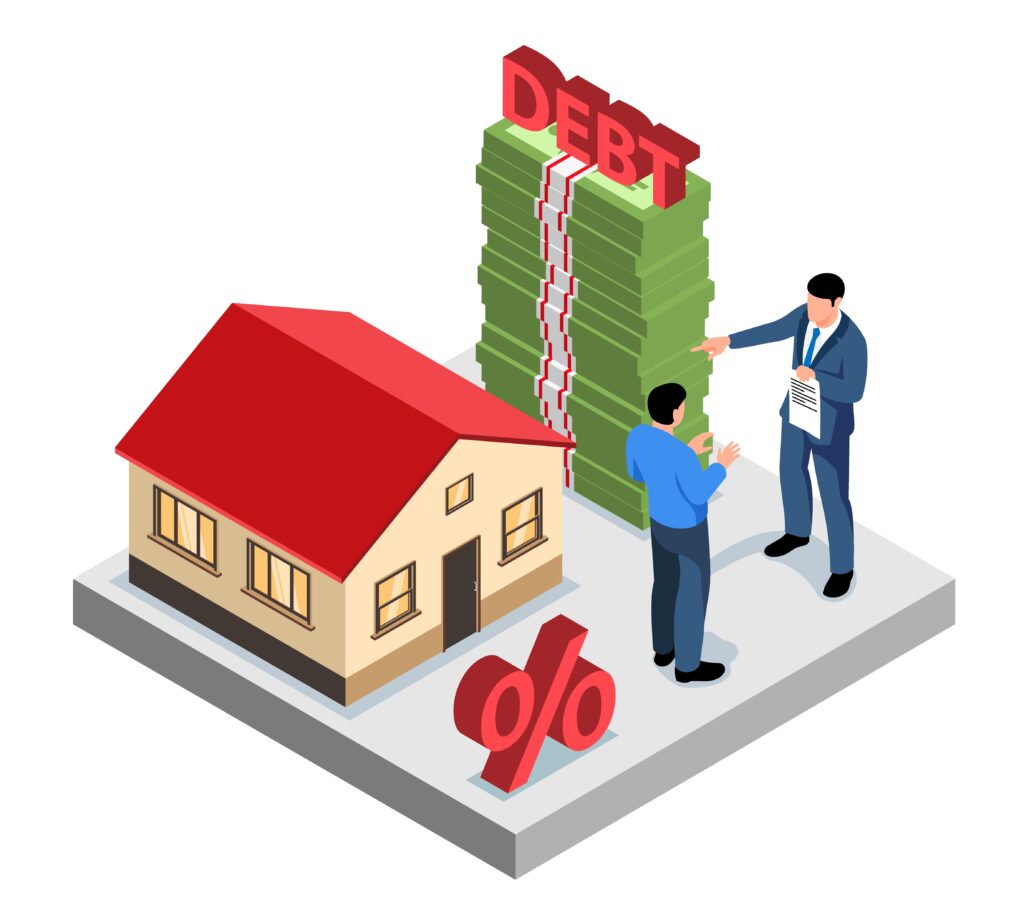
Understand Good Debt vs. Bad Debt
Not all debt is harmful.
Good Debt
Good debt may help improve your future earning potential or build valuable assets.
Examples include:
- Student loans
- Home mortgages
- Business investments
Bad Debt
Bad debt usually involves high interest and depreciating purchases.
Examples include:
- Credit card debt
- Payday loans
- Unnecessary financing
Focus on paying off high-interest debt first.
Learn Basic Investing
Investing often sounds intimidating, but understanding the basics is enough to get started.
Some common investment options include:
- Index funds
- Mutual funds
- Exchange-traded funds (ETFs)
- Retirement accounts
- Dividend-paying stocks
Beginners should invest only after building emergency savings and paying off expensive debt.
Improve Your Financial Habits
Healthy financial habits matter more than occasional big decisions.
Good habits include:
- Paying bills on time
- Saving automatically
- Reviewing bank statements
- Comparing prices before buying
- Avoiding unnecessary borrowing
- Tracking monthly expenses
Consistency usually beats perfection.
Avoid Common Financial Mistakes
Many financial setbacks can be prevented.
Common mistakes include:
- Living beyond your income
- Ignoring savings
- Making emotional purchases
- Taking on unnecessary debt
- Failing to compare financial products
- Neglecting long-term planning
Learning from these mistakes can strengthen your financial future.
Use Technology to Manage Money
Modern financial apps simplify money management.
Useful tools can help with:
- Expense tracking
- Budget planning
- Savings automation
- Investment monitoring
- Bill reminders
- Credit score tracking
Technology makes it easier to stay organized and informed.
Increase Your Income
Saving money is important, but increasing your income creates additional financial opportunities.
Ideas include:
- Freelancing
- Online tutoring
- Selling digital products
- Starting a small business
- Learning new professional skills
- Asking for career advancement opportunities
Additional income can accelerate savings and debt repayment.
Protect Your Financial Future
Financial security involves preparing for unexpected situations.
Important steps include:
- Maintaining insurance coverage
- Keeping important financial documents organized
- Updating beneficiaries
- Protecting online financial accounts with strong passwords
- Monitoring your credit report regularly
Planning ahead reduces future risks.

Daily Money Habits That Make a Difference
Small habits practiced each day can lead to meaningful improvements over time.
Try to:
- Review your spending for five minutes each day.
- Avoid impulse purchases.
- Save loose change or round-up savings.
- Read about personal finance regularly.
- Celebrate small financial milestones.
Over time, these habits become part of a healthier financial lifestyle.
Frequently Asked Questions
What does tips disfinancified mean?
It refers to presenting personal finance advice in a simplified, easy-to-understand way that anyone can apply, regardless of their financial background.
Why is simple financial planning important?
Simple plans are easier to follow consistently. This increases the likelihood of building lasting financial habits and achieving long-term goals.
Should I save money before investing?
Yes. Building an emergency fund before investing helps protect you from unexpected expenses and reduces the need to sell investments prematurely.
How much should I budget each month?
The right budget depends on your income, expenses, and financial goals. Track your spending and adjust your budget to fit your personal situation.
What is the best way to improve financial habits?
Start with small, consistent actions such as saving regularly, spending mindfully, paying bills on time, and reviewing your finances each month.
Final Thoughts
Following tips disfinancified isn’t about mastering complex financial theories—it’s about making smarter everyday decisions that gradually improve your financial health. By simplifying budgeting, saving, spending, and investing, anyone can build stronger money habits without feeling overwhelmed.
Financial success rarely happens overnight. It comes from consistent choices, realistic goals, and a willingness to keep learning. Whether you’re just beginning your financial journey or looking to improve your existing habits, adopting a simplified approach can help you gain confidence, reduce stress, and create a more secure financial future.
Also Read: LLBlogKids Educational by LoveLolaBlog: A Complete Guide for Parents, Teachers, and Young Learners
One thought on “Tips Disfinancified: A Practical Guide to Simplifying Personal Finance”
Comments are closed.